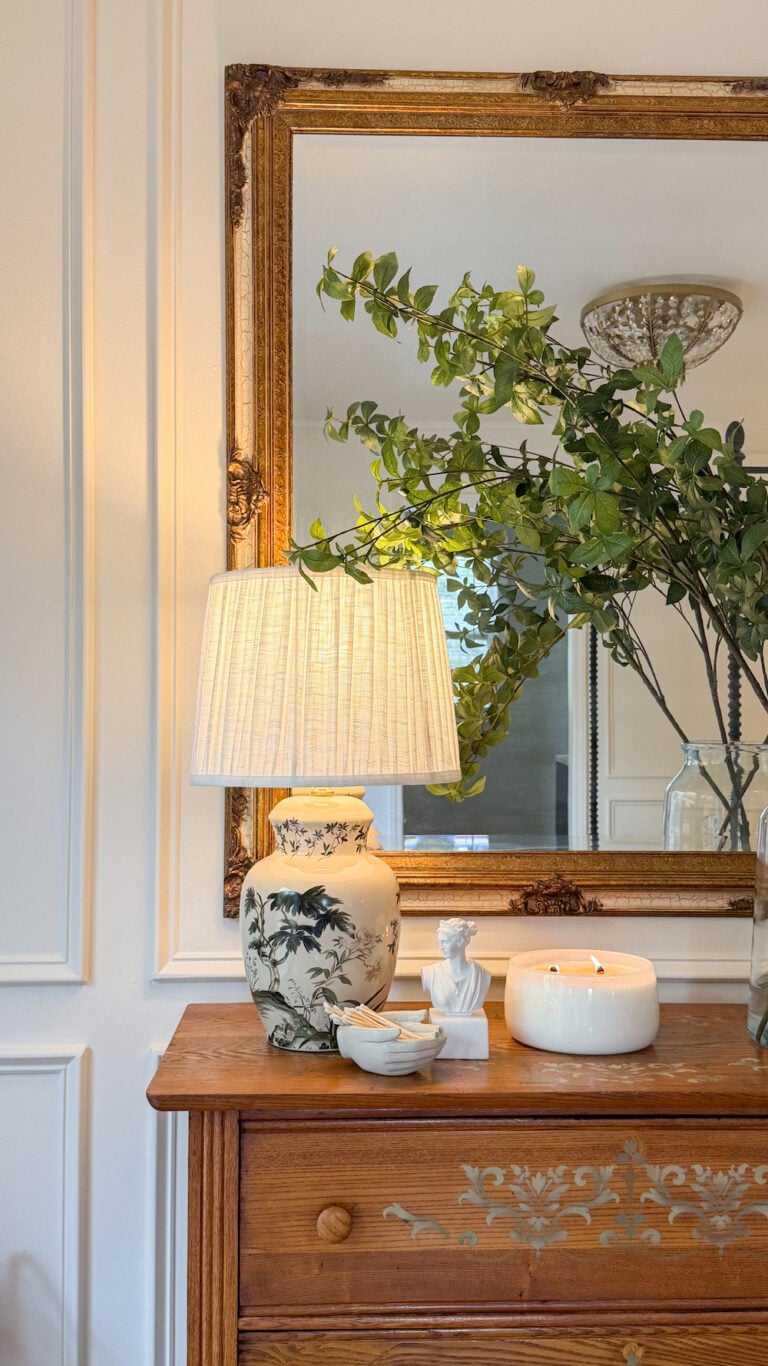

Want a Cohesive Home? Here’s How to Make Every Room Flow
Do you ever walk from your living room to your kitchen and feel like you’ve landed in a totally different house? Like each room is doing its own thing, color, texture, style… they’re not talking to each other.
It’s a question that pops up all the time in my DMs and in DIY Decorator School. Because the magic of a cohesive home is when each room feels distinct, but still unmistakably part of the same story.
Decorating should feel fun, not stressful or confusing. So today I’m walking you through how to decorate your entire home so it flows…
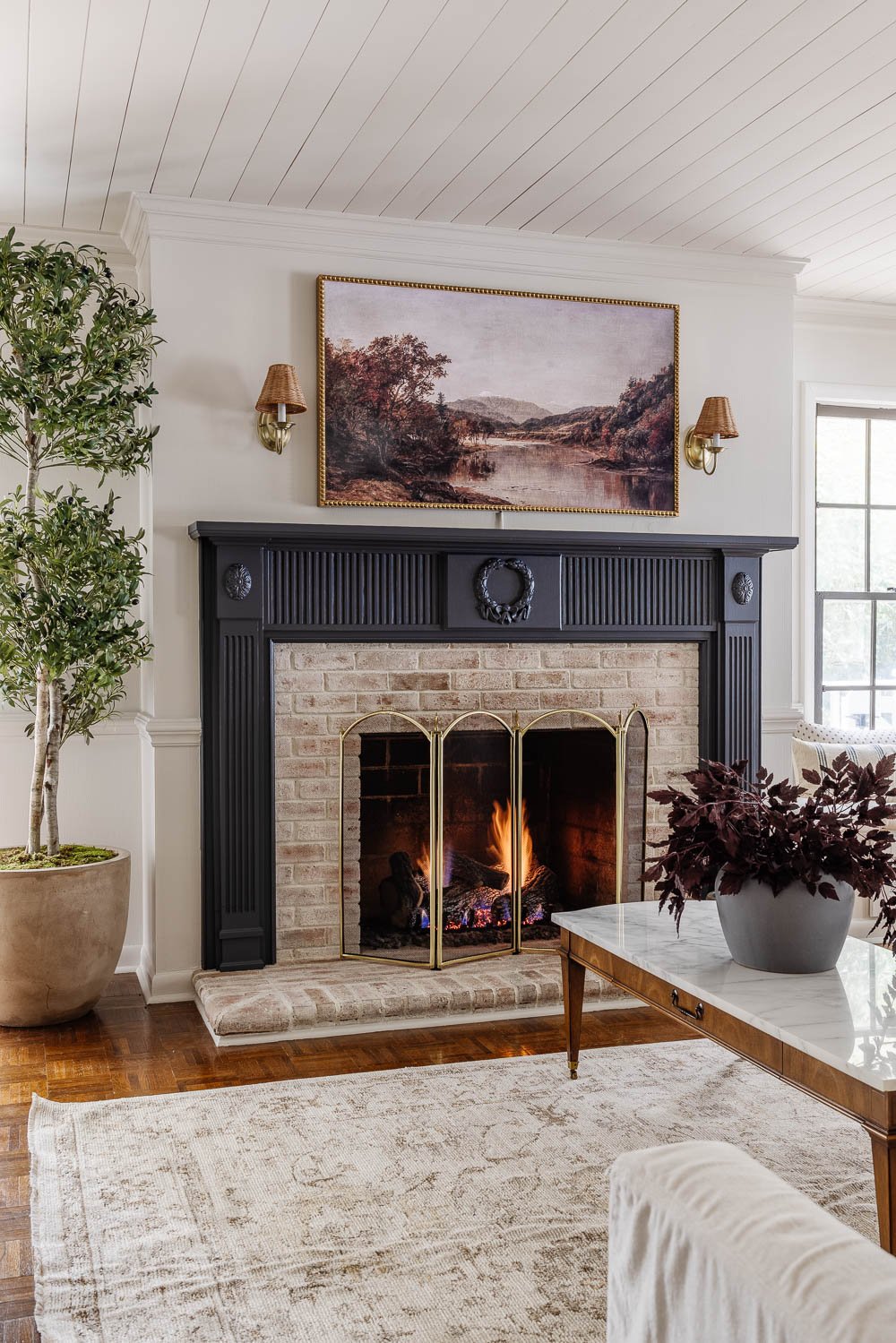
Related: Decorating Mistakes Most Homeowners Make
1. Start With a Big-Picture Vision
Before you pick a sofa or hang art, press pause and zoom out. What’s the feeling you want your home to give? Warm and cozy? Calm and minimal? Textured and collected? Choose a few words (2–4) that will be your guiding stars. (The Style Identity 101 workshop can help with this a lot.)
Then build a loose mood board or Pinterest board: colors, fabrics, finishes, textures, and even inspirational rooms. This isn’t about creating something rigid; it’s about letting your design choices orbit around something consistent.
This vision becomes your filter. When you see something you like, you’ll ask: “Does this fit the mood?” If yes, go for it. If no, say no (or tweak it).
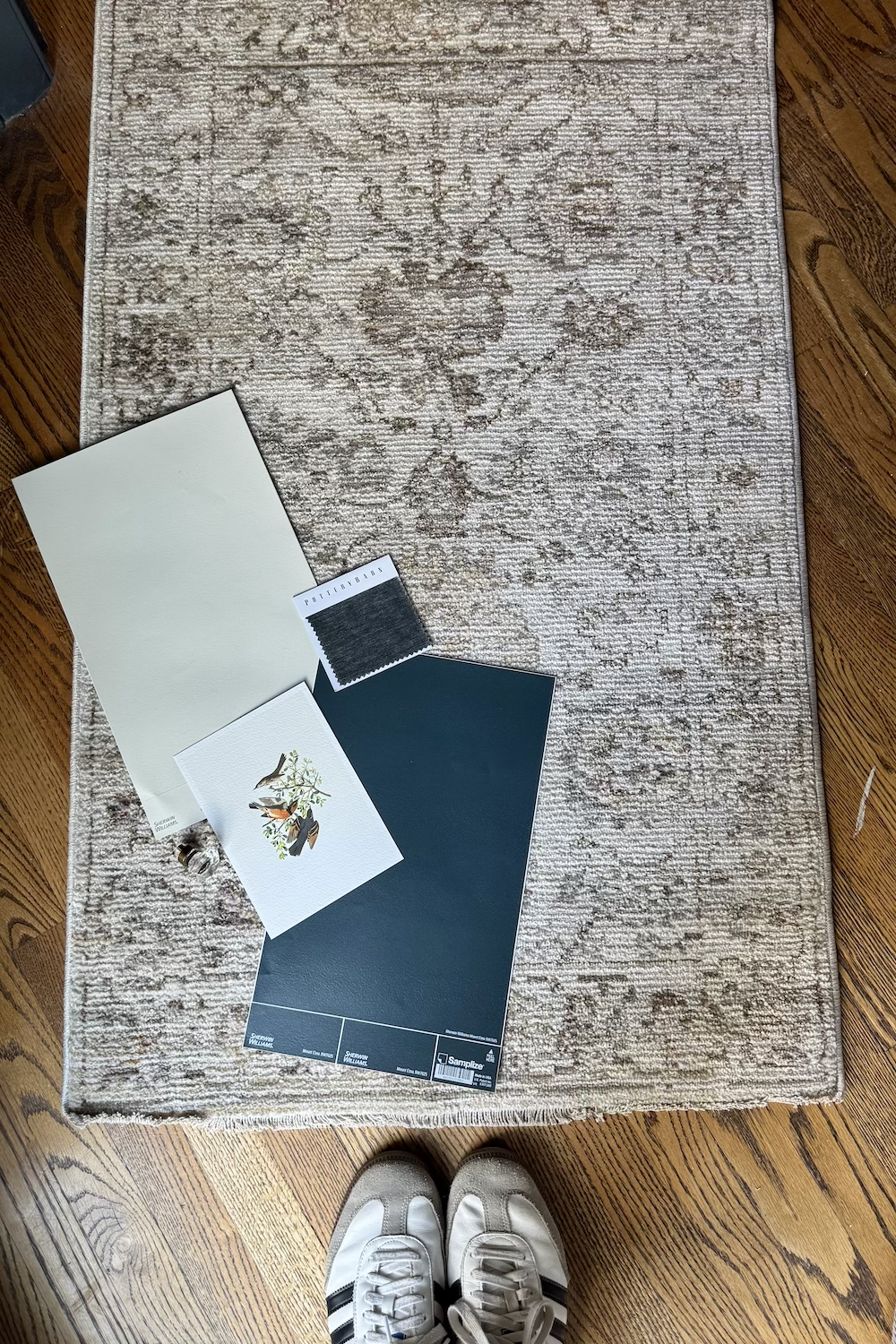
2. Choose a Core Palette (and Stick to It)
Color ties things together beautifully. But you don’t have to make every room the same shade. What you do need is consistency in undertones and a sprinkling of recurring accents.
- Pick a neutral base (or two) for walls, trim, and ceilings. Think off-whites, soft greys, warm beiges, something that works everywhere.
- Select 2–3 accent hues (or even one accent + neutrals) and weave them through every space. Maybe a muted green in pillows or a warm terracotta in small doses.
- Don’t forget metallics and finishes. Pick one or two metal finishes (brass, matte black, nickel) and lean on them throughout. Consistent hardware, lighting, and accessories go a long way.
- Vary the depth, not the undertone. Use lighter or darker versions of your chosen colors from room to room. Have you ever looked at a paint swatch strip that has varying shades of the same color? They come in handy to help you chose everything in the same “color family”.

A consistent palette is like your home’s color DNA; it shows up in each room, but in different outfits.
Related: Our Calming Whole House Paint Color Palette
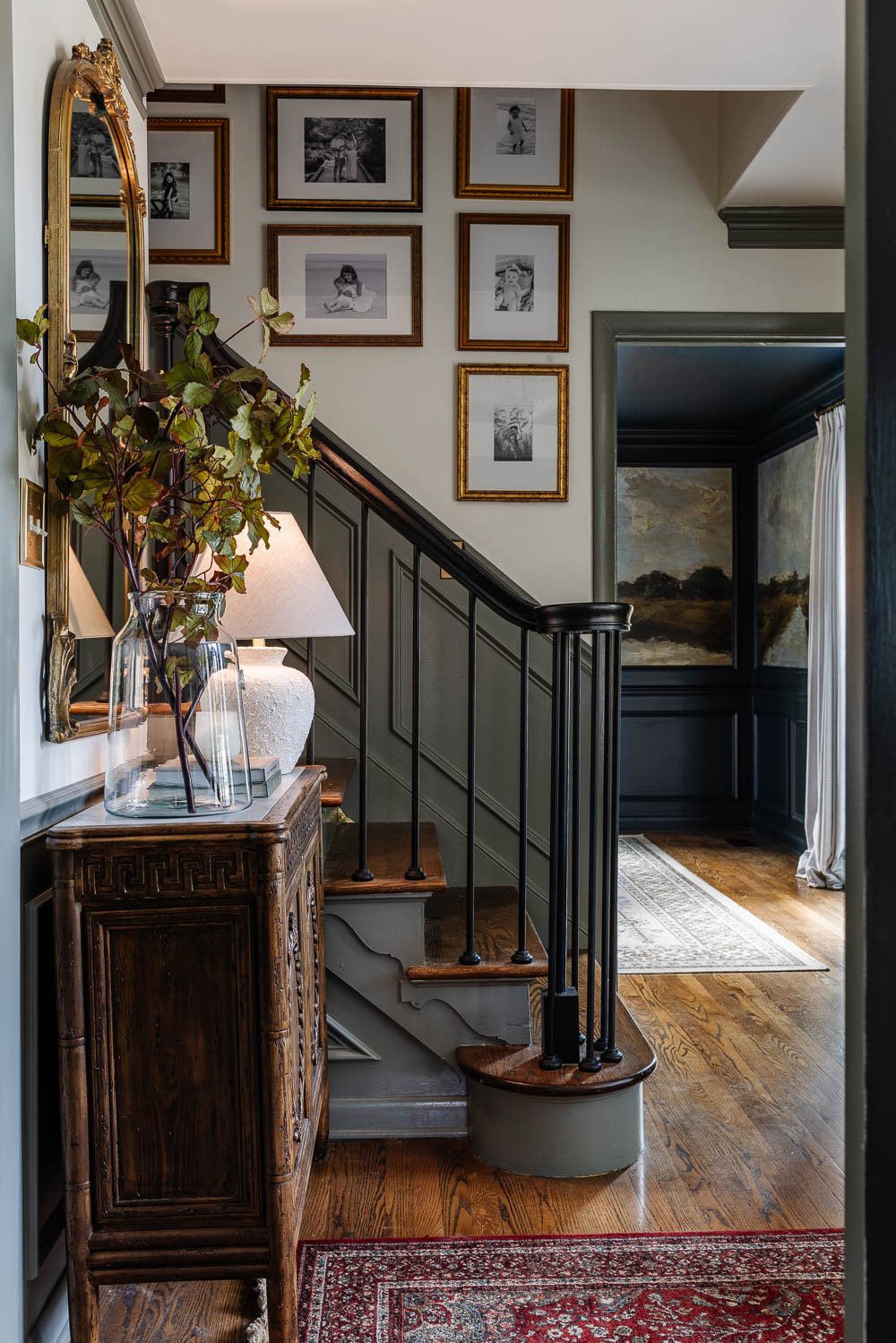
3. Repeat & Echo Key Elements
Here’s where you make rooms siblings, not strangers:
- Architectural details – keep door styles, millwork, and trim profiles consistent when possible. You don’t want wildly different baseboards or interior doors in every room.
- Materials and surfaces – if you use natural wood, stone, or rattan, try keeping them in a related family (tone, grain, texture) throughout.
- Textiles & patterns – Maybe your linen drapes, jute rugs, or a signature pattern (like stripes or a subtle motif) show up in more than one room. Don’t match exactly; let the items have their own personality, but let them echo one another.
- Hardware & lighting – Using the same style of light fixture or hardware finish in multiple rooms helps your eye connect spaces visually.
- Decor accents – Whether it’s baskets, ceramic vases, or framed prints, similar accent shapes or materials sprinkled around will feel intentional, not accidental.
Related: Classic Interior Design Trends That Never Go Out of Style
The goal isn’t monotony, it’s harmony. Each room has its own tone, but the design language is shared.
4. Use Transition Zones Strategically
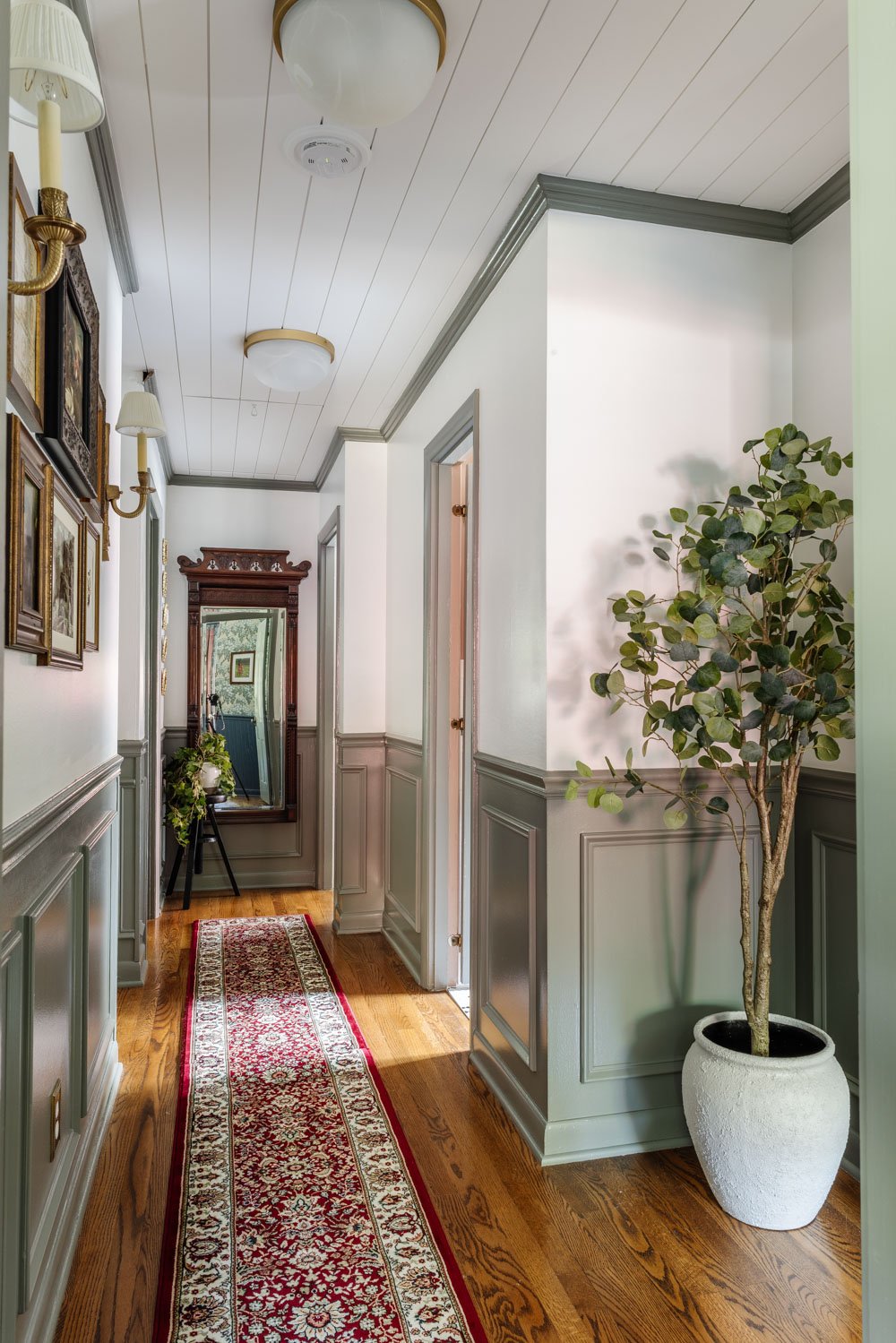
Hallways, stair landings, foyers, and doorways are your secret design supertools. They’re connectors, so let them do some of the work:
- Paint walls or trim in a shade that’s a bridge between adjacent rooms.
- Use rugs or runners that carry your palette across from one room to the next.
- Choose art in your transitions that includes tones or themes from nearby rooms.
- Keep your flooring consistent, or at least complementary.
- Consider having a small vignette or console table in a hallway that introduces elements of the next room.
These spaces don’t have to be afterthoughts… they’re opportunities to softly signal, “Hey, we’re still in the same house.”
Related: 30 Ways to Make Your House Look Expensive on a Budget
5. Mind the Flow & Layout
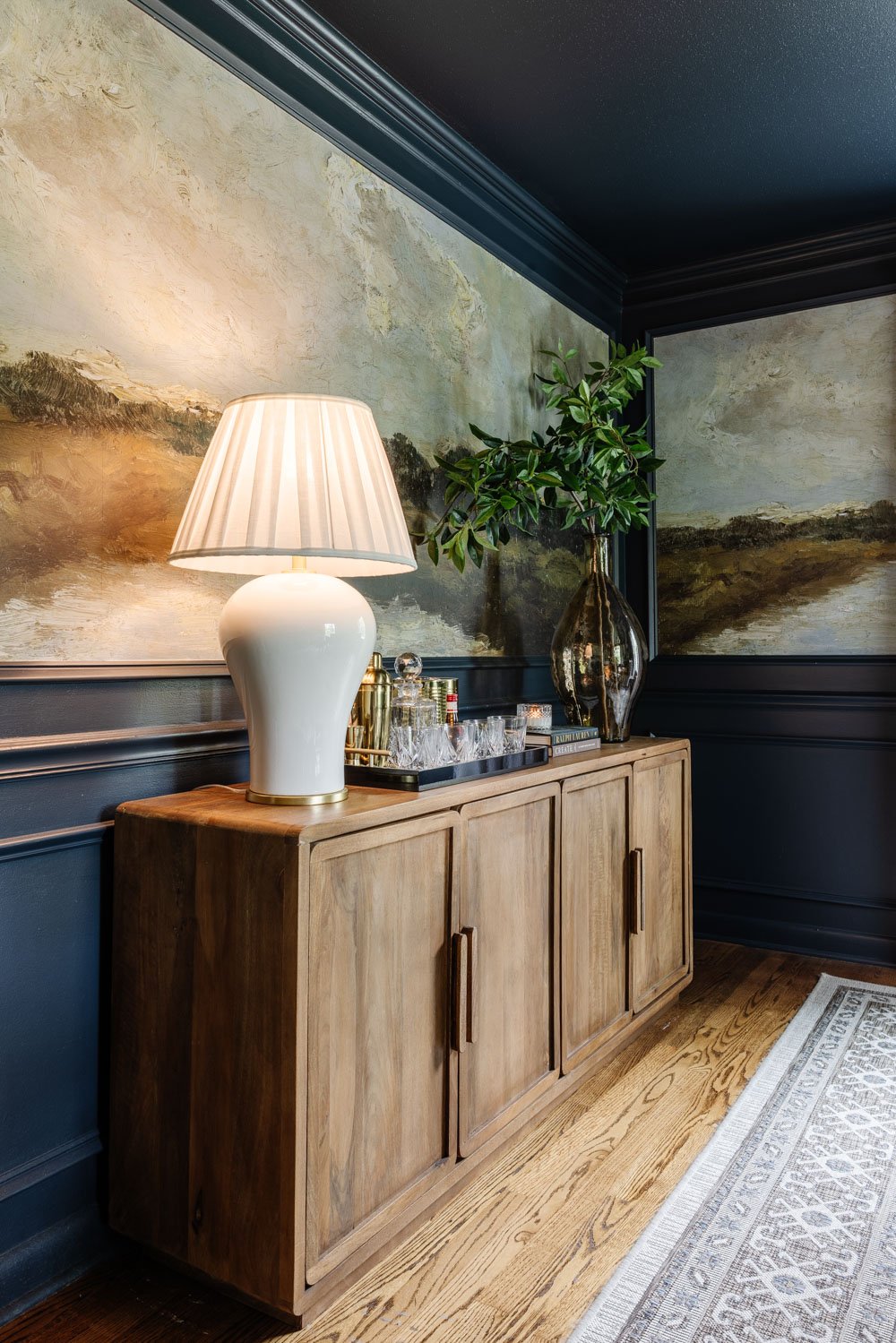
A house is a walking tour. The way you arrange furniture, rugs, and pathways impacts whether people feel like the rooms belong to each other or not.
- Do a walk-through test. Walk from room to room: is it easy? Does your eye land on something jarring?
- Rugs should define spaces, not fight each other. Avoid awkward overlaps or weird edges where one room’s rug cuts into another’s flow.
- Don’t let one bold piece dominate and scream “This is a different room!” unless that is your intention.
- In open-concept layouts, use furniture, color, or rugs to subtly delineate zones without closing off visual pathways.
If your layout feels awkward or choppy, editing or rearranging can often restore harmony more than new purchases.
Related: How to Decorate a Room From Start to Finish in 13 Steps
6. Let Your Personality Be the Tie That Binds
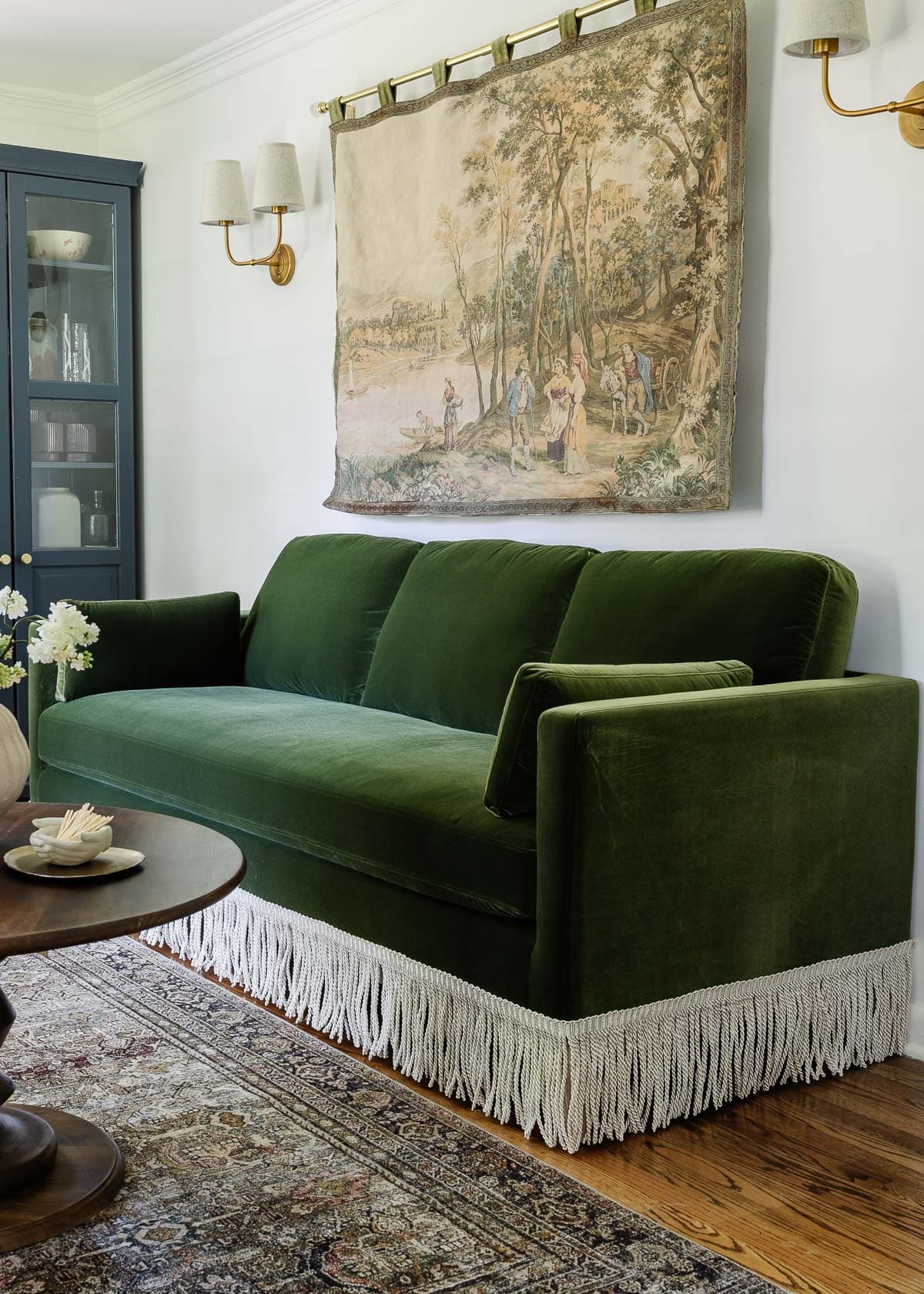
Design consistency doesn’t equal bland uniformity. In fact, it’s more compelling when every space still feels like you. Here’s how to inject personality while preserving cohesion:
- One dominant style + supporting accents. You might lean transitional, coastal, modern farmhouse, or whatever feels true. But sprinkle in supporting styles (vintage, textural, eclectic) within the same family. You can mix styles, so long as scale, finishes, and balance are intentional.
- Scale matters. If you love large statement pieces, let them echo in multiple rooms so they don’t feel out of place.
- Curate intentionally. Every piece should serve a visual or functional purpose. If something feels off, try relocating it rather than forcing it in.
- Edit ruthlessly. Sometimes removing a piece gives your rooms space to breathe and highlights the pieces you do want.
- Think in layers. Start with your essentials (furniture, rugs, lighting), then layer in texture, textiles, and small objects. That layered approach gives depth without visual chaos.
Related: 40 Cheap Decor Ideas to Improve Your Home for Under $100

7. Be Patient. Cohesion Takes Time.
I won’t lie to you: creating a cohesive home is rarely a one-week project. It’s a process, and most homes evolve room by room over the course of years.
As you make changes or acquire pieces, always bring your big-picture vision and mood board back to mind. Does this new addition feel like it’s in the same family as what you already have? If yes, it belongs. If no, store it, tweak it, or pass it on.
Homes are living and breathing. There will always be something that shifts, something new you love, or something you want to swap. That’s okay. Cohesion doesn’t require everything to match; it requires everything to belong.
When you follow these principles… vision first, consistent palette and materials, repetition, thoughtful transitions, mindful layout, and your personal style woven in… you’ll slowly but surely watch your home evolve into a cohesive home.
One day you’ll walk from your front door to your bedroom and it will feel like one flowing narrative, not a jumble of rooms. And that, my friend, is the best feeling… when you know your journey of style self-discovery has finally paid off.
Want more decorating help?